Kindergarten
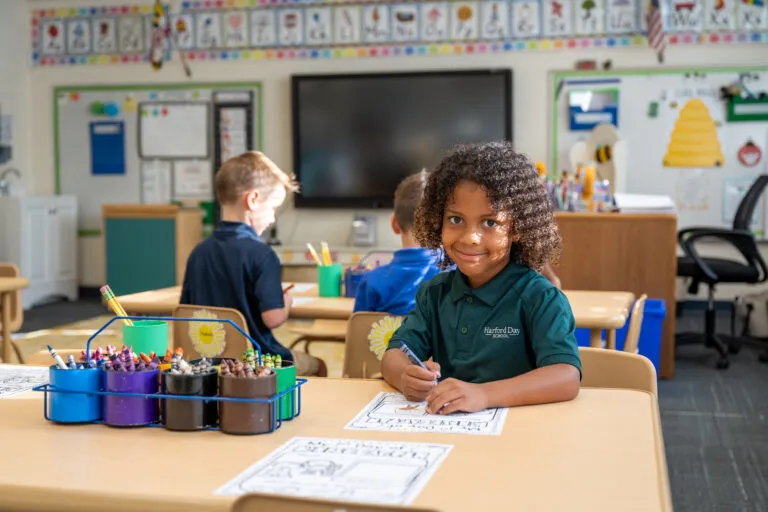
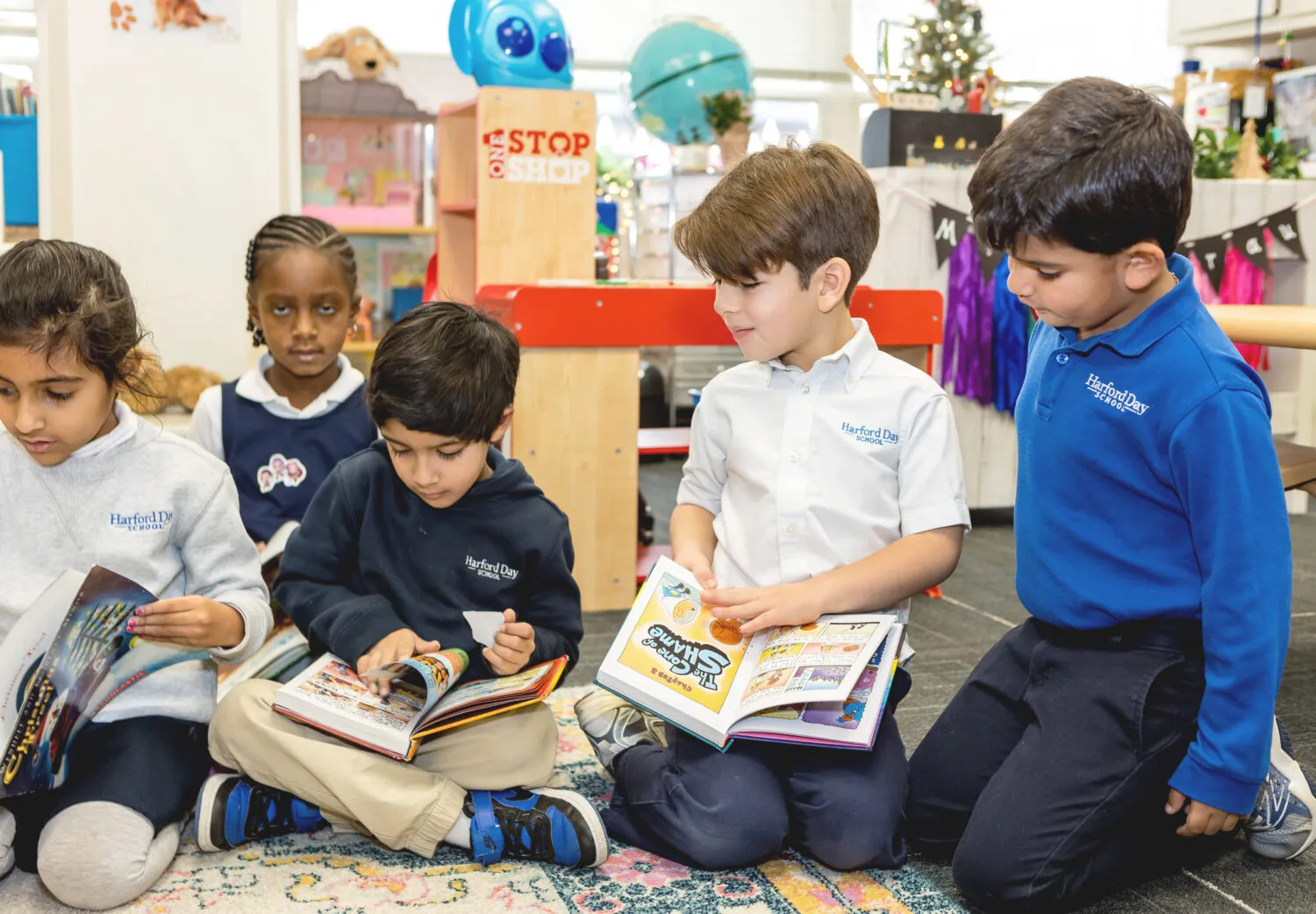
As children grow and develop, Kindergarten serves as the first step into Lower School, introducing longer class times across all subject areas. Lessons are intentionally designed to promote focus, balance seated work with movement, and foster collaboration. Students build independence and responsibility through classroom jobs, managing homework logs and folders, and taking care of their belongings.
Kindergarten highlights include a special class mascot that students study and remember throughout their years at HDS, a Super Star program in which each child shares their family heritage and culture, and Under Water Day, the culminating celebration of a hands-on marine biology unit.
Math continues to focus on building a strong number sense through a variety of games, activities, and manipulatives including, but not limited to, mastering:
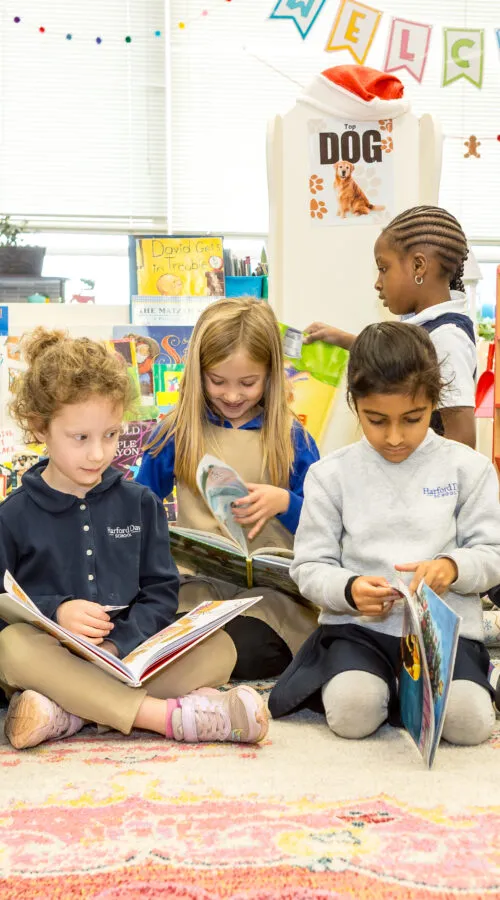
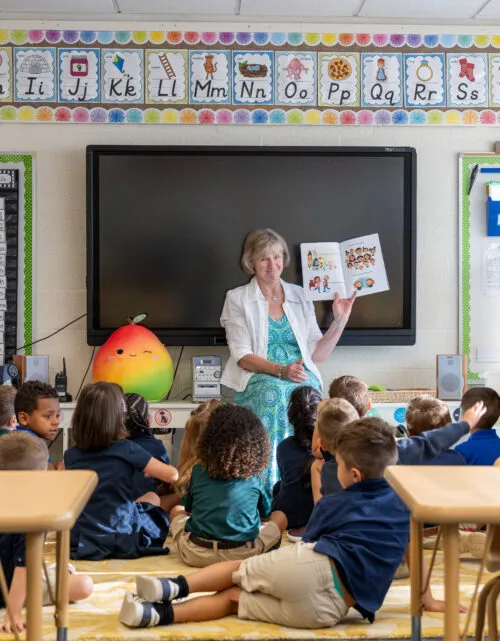
The Kindergarten reading program is designed to be engaging and dynamic, offering interactive experiences that motivate children to read. Students work in small groups to ensure individualized support as they develop essential literacy skills, including fluency, phonics and spelling, vowel patterns, phonemic awareness, comprehension, vocabulary, and writing.
Science units are supported through the field experience program to allow students to authentically apply newfound knowledge about plant and animal life cycles, the study of habitats, and health and nutrition, among others.
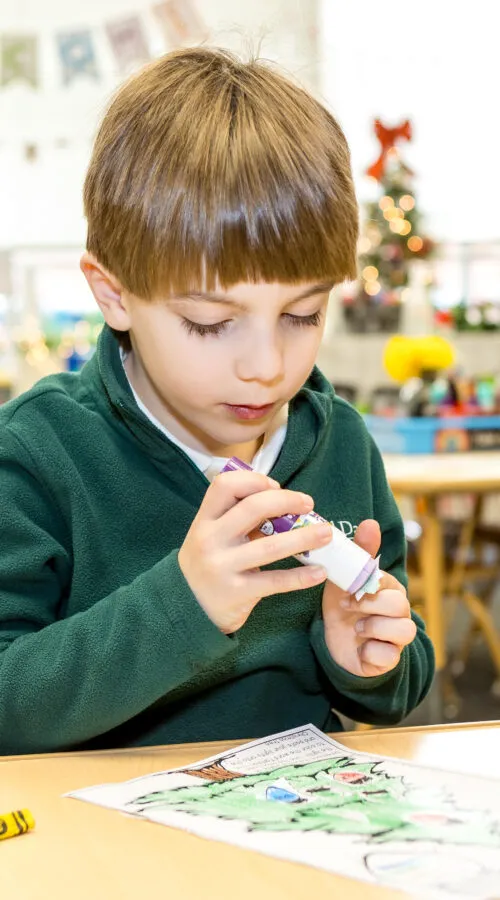
Art instruction at Harford Day School is interdisciplinary and related to topics being studied in social studies, science or other subjects. This holistic approach is no different in Kindergarten. Using different media from clay to paint, students learn about a subject from many different perspectives in an age-appropriate manner. Apples, ladybugs, snowmen, trees—you name it. Amazing works are created as the art teacher skillfully breaks down each project into fun, creative steps that hone the children’s fine motor skills.
The Kindergarteners continue to learn how to use the library, how to research the different materials available, and how to find them independently. They read books as a group, discuss the story and characters, and students check out their very own book selections.
Kindergarten students also visit the Media Center to work with computer programs and software as part of their language arts and math classes. Using the laptops and headphones, the children play educational games and learn new songs each week.
Kindergarten students experience the elements of music through singing, movement, playing instruments, and creating. They learn to read and write rhythms and pitches by playing games and improvising.
In Kindergarten movement is so important to development. In Physical Education classes, students engage in activities that develop their gross motor skills, spatial awareness, and knowledge of different sports and games. Students use balls, hoops, bean bags, blocks, play running games, and enjoy building age-appropriate obstacle courses. Good sportsmanship and teamwork are always emphasized.
Kindergarten students begin and end each class moving and grooving along with upbeat songs. They are introduced to colors, numbers, days of the week, family members, and parts of the body. Important Hispanic celebrations, such as “Los Días de los Muertos” and “Las Posadas” are also discussed. New vocabulary is reinforced through singing, dancing, reading, playing games, and coloring in class.
