Community & Belonging

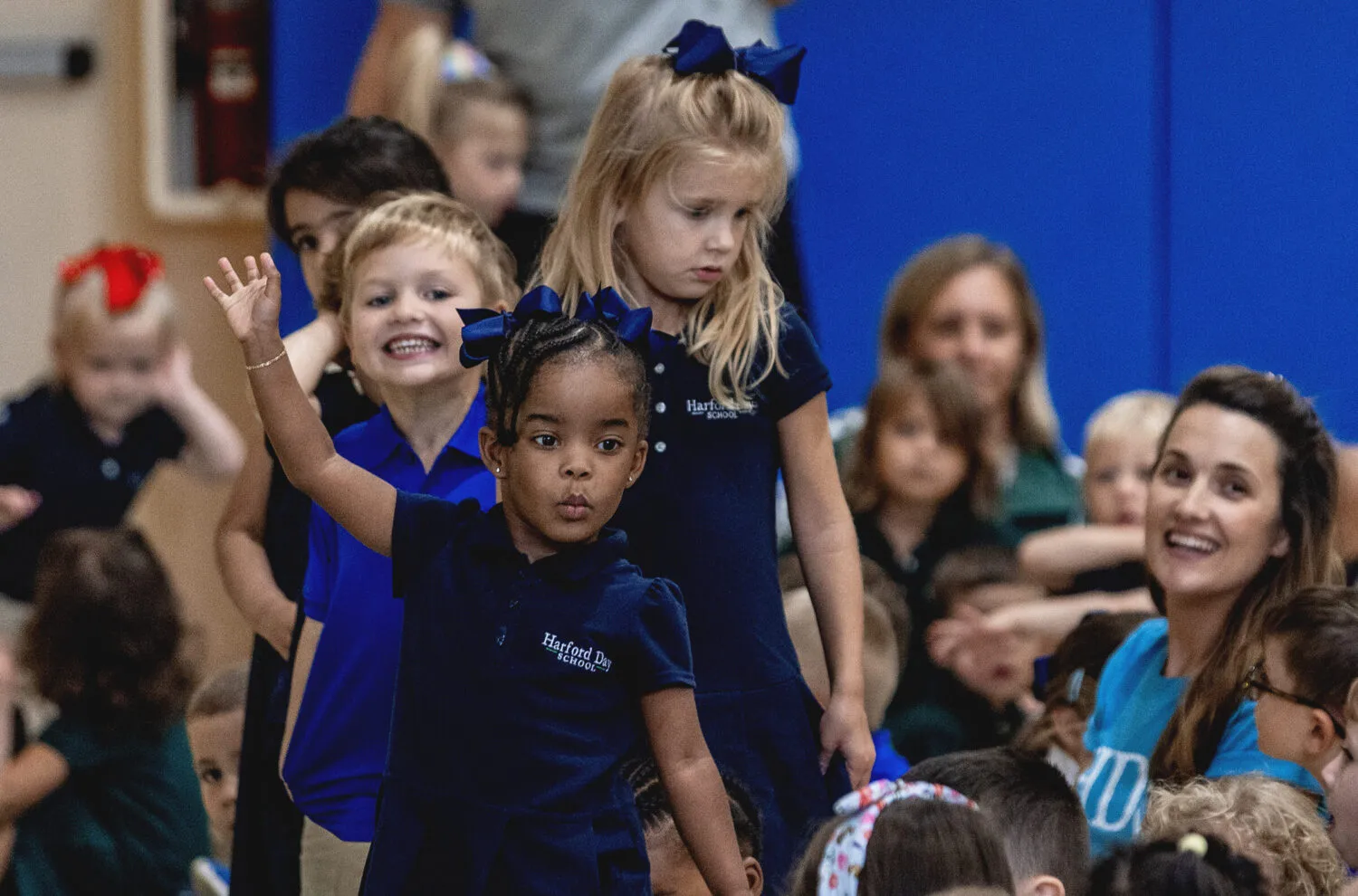
At Harford Day School, diversity is an indispensable component of educational excellence. We expect all community members to honor the dignity and worth in each of us through our words and deeds. We hold ourselves accountable for consistently demonstrating respect without regard to race, ethnicity, age, national origin, culture, religion, family structure, sexual identity, financial resources, or ability.
We commit to respecting human diversity, and diversity of ideas, thoughts, and perspectives.
We commit to creating a culturally responsive curriculum that understands, accepts, and celebrates cultural diversity.
We commit to continuously re-evaluating our curricula, decision-making, policies, and practices to ensure they are inclusive.
We commit to further diversifying our student body, faculty, administration, and board to reflect that of our school community and the changing demographics of our country.
At Harford Day School, we believe that providing an equitable and inclusive environment is essential to fostering a healthy culture and climate where all students can grow and thrive. The essential components of such an environment include affirming, respecting, and celebrating each individual’s identity and culture; implementing culturally responsive and relevant curriculum, inclusive policies, and equitable practices; and creating physically and emotionally safe spaces for all. We strive to ensure that our school is a place where everyone—especially students—can grow into strong, confident, empathetic, and compassionate individuals who contribute meaningfully to society and work to make the world a better place, both now and in the future.
“We strive to ensure that our school is a place where everyone—especially students—can grow into strong, confident, empathetic, and compassionate individuals who contribute meaningfully to society and work to make the world a better place, both now and in the future.”
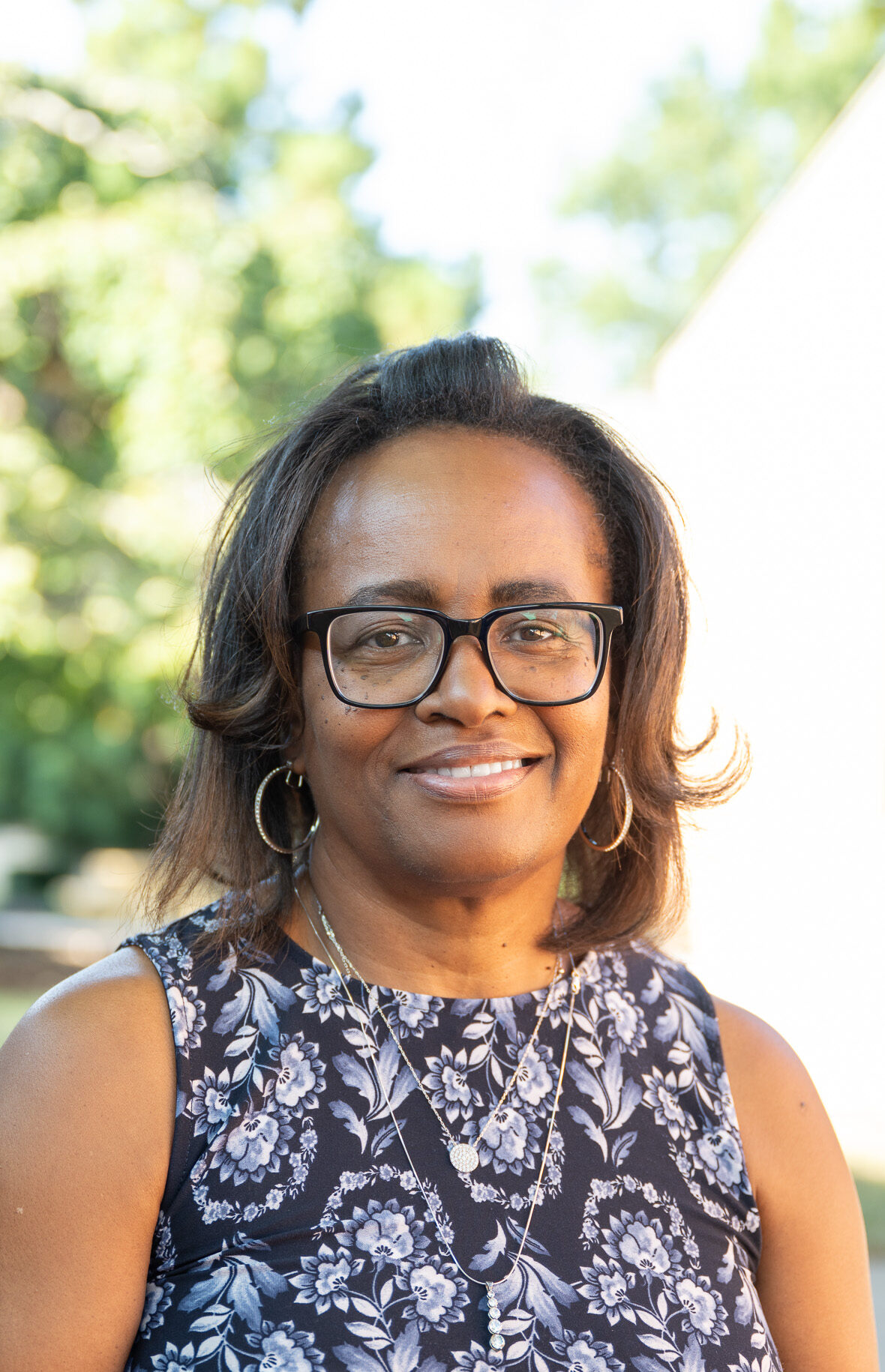

As the Director of Belonging and Community Impact, my goal is to help cultivate an environment that supports the growth and development of every student. I collaborate with faculty and staff to develop curriculum, policies, and practices that:
These efforts help ensure that every student feels a sense of belonging and develops into an empathetic, culturally competent person inspired to make a positive and lasting impact.
LaFreda Smith
Director of Belonging and Community Impact
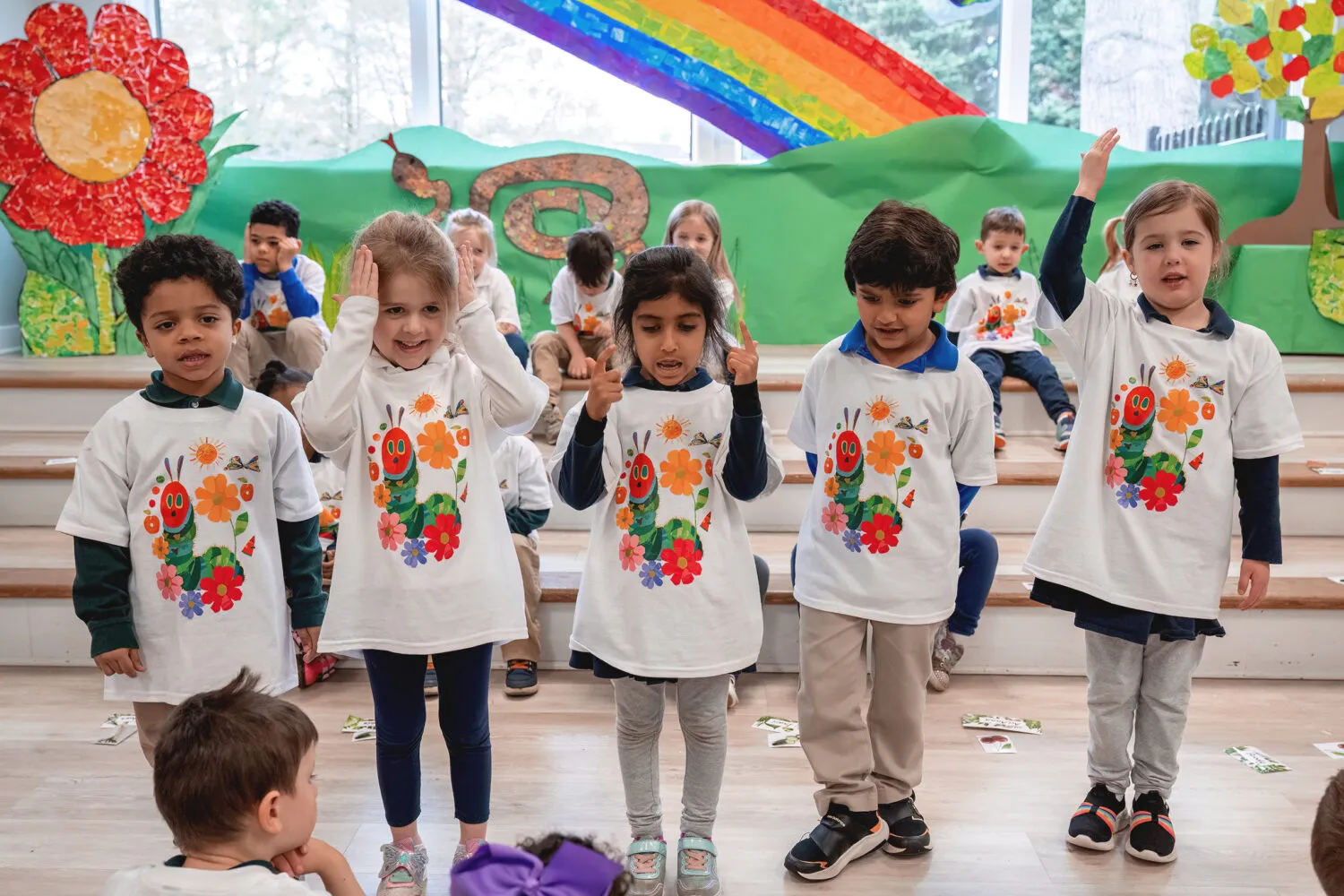
The concept of diversity embraces the wide range of human characteristics used to mark or identify individual and group identities. These characteristics include, but are not limited to, ethnicity, race, national origin, age, personality, sexual orientation, gender, class, religion, ability, and linguistic preferences. Diversity is a term used as shorthand for visible and quantifiable statuses, but diversity of thought and ways of knowing, being, and doing are also understood as natural, valued, and desired states, the presence of which benefits organizations, workplaces, and society.
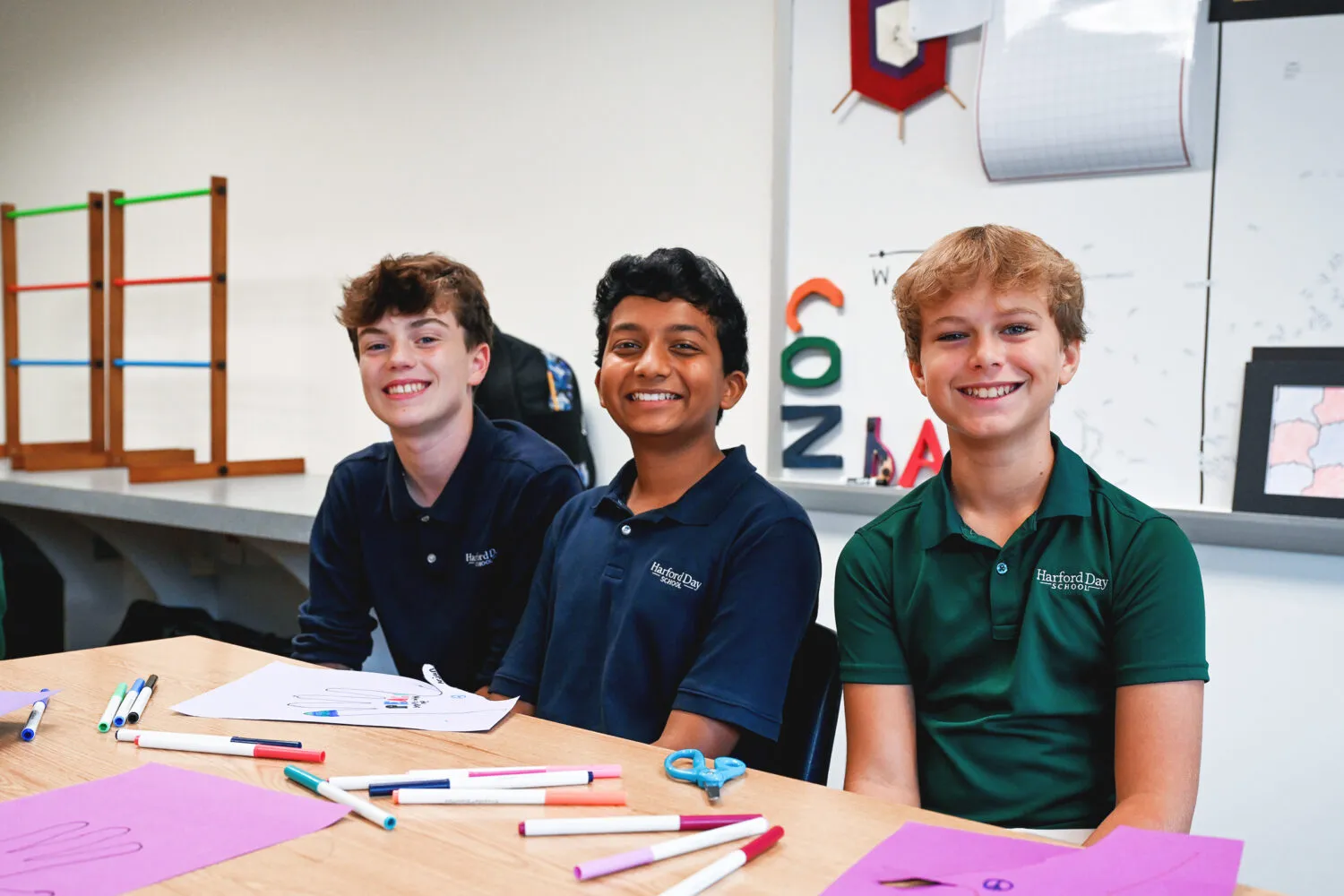
Equity exists as a condition that balances two dimensions: fairness and inclusion. As a function of fairness, equity implies ensuring that people have what they need to participate in school life and reach their full potential. Equitable treatment involves eliminating barriers that prevent the full participation of all individuals. As a function of inclusion, equity ensures that essential educational programs, services, activities, and technologies are accessible to all. Equity is not equality; it is the expression of justice, ethics, multi-partiality, and the absence of discrimination. Examples of equity displayed in schools include accommodating students’ learning differences, and providing financial aid.

Inclusiveness means encompassing all; taking every individual’s experience and identity into account and creating conditions where all feel accepted, safe, empowered, supported, and affirmed. An inclusive school or organization expands its sense of community to include all; cultivating belonging and giving all an equal voice. Inclusivity also promotes and enacts the sharing of power and recognition of interdependence, where authorizing individuals and community members share responsibility for expressing core values and maintaining respect for differences in the spirit of care and cooperation.