2nd Grade
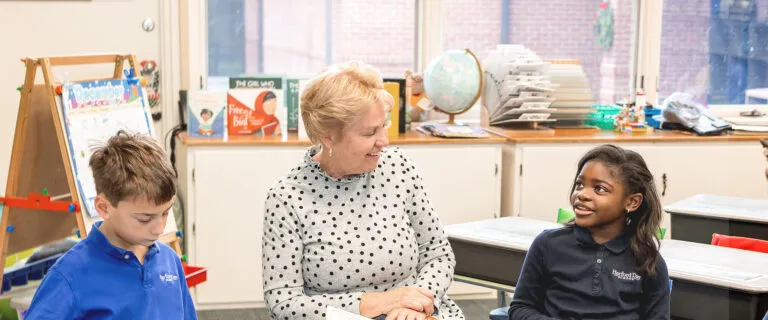
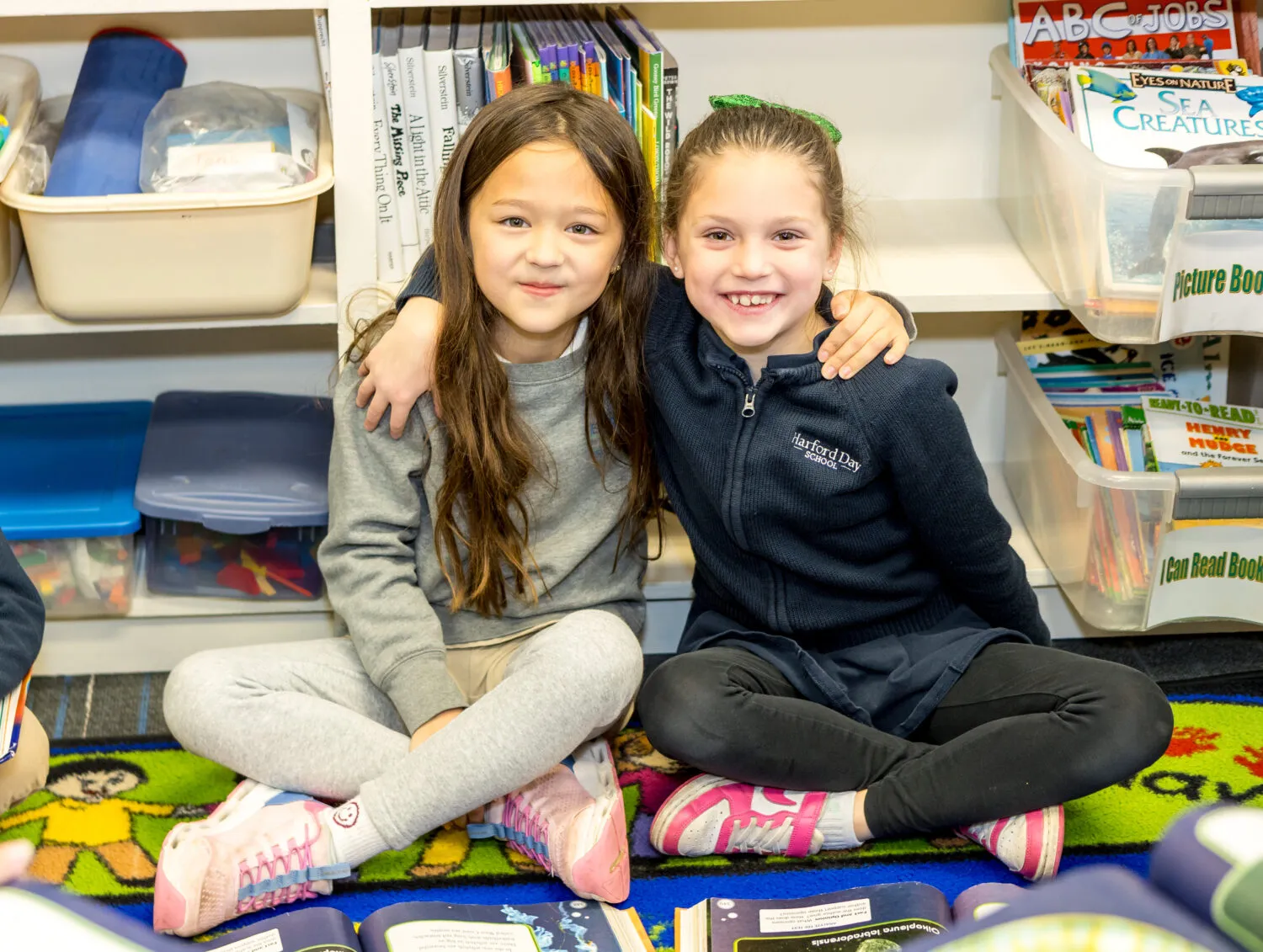
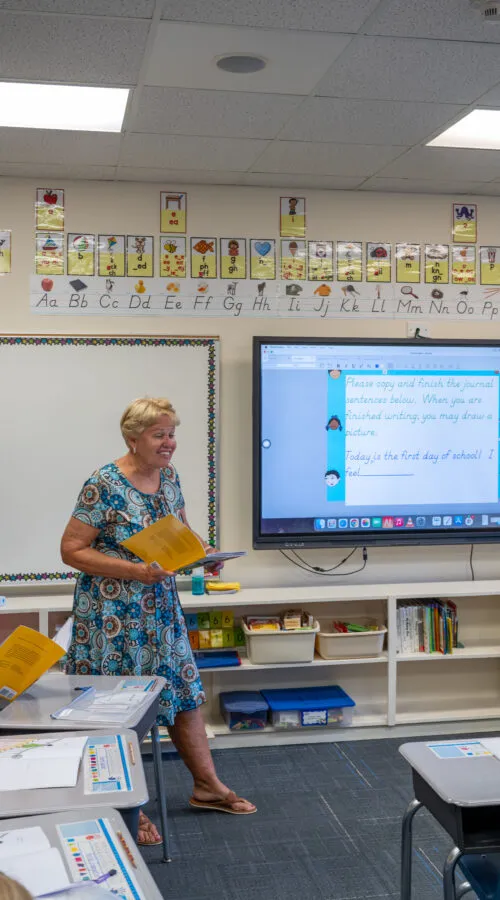
Language Arts is taught using a thematic approach. Students learn to recognize different genres of literature, as well as literary elements and devices. Speaking is a major part of the language arts program. Students participate in discussions, oral reading, interviews, poetry recitation, and a theatrical production. Listening is of equal importance. Students listen to meaningful literature, improve their ability to follow oral directions, and practice small group discussion. Students learn the naming and telling parts of a sentence as well as the four types of sentences used in writing. Appropriate capitalization, punctuation, verb usage, and parts of speech are taught. Students review the writing process, which involves pre-writing, writing, conferencing, editing, and publishing. Students write journal entries, reading responses, poems, and reports. Students review and reinforce letter sounds, including clusters, blends, and digraphs. Suffixes, prefixes, contractions and plurals are all studied. For spelling instruction, students are responsible for learning the words and utilizing the spelling rules in their daily writing.
Students review and build upon the concepts previously studied. The operations of addition, subtraction, multiplication, and division are presented. Students begin by learning place value to the ten thousands and rounding these numbers, as well as practice in recognizing coins and their value, and making change up to $10.00. Students explore fractions and learn the part of a whole set. In measurement, students learn to measure in both the customary and metric systems. Students are also introduced to basic geometric shapes and congruency. All topics taught include word problems and the application of concepts for greater mastery.
The major themes in science are studied each year in the lower school, including: classification, change over time, energy, engineering design, forces and interactions, measurement, problem solving/process/scientific methods, structure and function, systems, and collaborative discovery through hands-on explorations. In second grade, the units incorporating these themes include plants and animals, habitats, soil, the solar system, nutrition, and states of matter.
Students are introduced to American history, geography, and cultural differences. Students study important historical figures and their related periods in history. They learn about the geography and economics of a community. Students are introduced to map and globe reading. They become aware of diverse cultures through the study of the Amish community and ethnic holidays. Emphasis is placed on class discussion and projects. Field trips are planned to enhance the information taught in the classroom.
Creativity and basic skills are emphasized as the students continue to be exposed to the elements of art: line, shape, space, color, pattern, and texture. Using many types of media, these fundamentals become the foundation for more complex thinking, planning, and creating throughout the school year. Projects relate to consecutive classroom studies, art appreciation, and the study of different cultures.
In the library, basic skills are reinforced. Students select materials appropriate to their reading levels and begin to learn research skills. Students discuss award-winning picture books in an effort to develop a greater appreciation of literature. They also participate in the Black-Eyed Susan Book Award program. Students are exposed to proper care and use of computers, equipment, and software. There is a strong emphasis on logical thinking, etiquette, and manners. They learn to navigate the Mac OSX operating system and grasp the concept of input/output devices and processors. Using primarily Kids Blog, Wixie, ABC ya and Education.com, students begin to master basic, transferable computer skills, such as word processing, desktop publishing, keyboarding, and web navigation. Internet safety activities for the safe use of communication technologies are introduced in Second Grade.
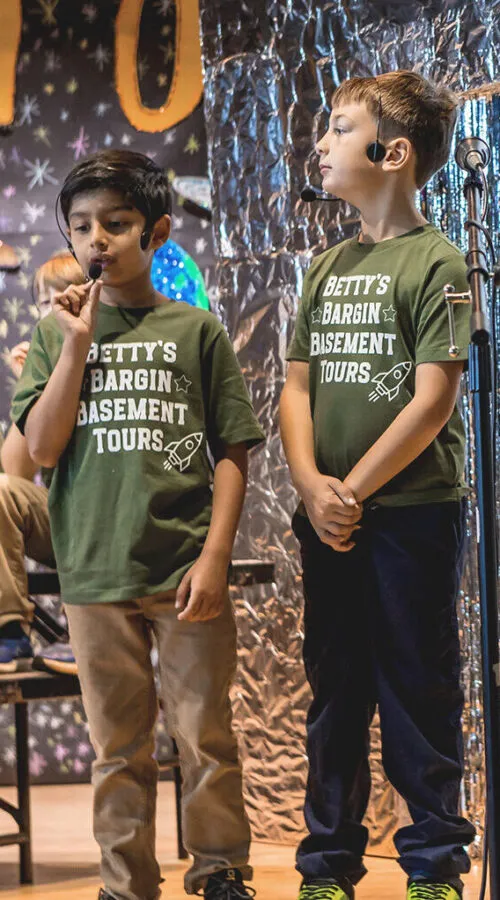
Second Graders learn about singing technique, including posture, breathing, and head and chest voices. They learn how to read, write, and compose using an expanded set of pitches and rhythms. Playing the xylophones gives students their first experience accompanying singing and playing pieces with multiple parts. They explore expressive qualities and meter through creative movement and folk dances. Their performances include the Holiday program, Second Grade musical, and Grandparents’ and Special Friends’ Day.
Emphasis is placed on teamwork, fitness, fundamental movement skills, cooperative games, body and spatial awareness, and creative rhythms. Students will continue to participate in activities involving jump ropes, hoops and balls, parachutes, beanbags, Frisbees, and traditional field and court sports.
Using games, music, and a wide variety of visuals and objects, including Spanish websites and flip charts, children learn Spanish names and greetings, basic phrases, colors, numbers, animals, foods, clothing, classroom objects, rooms in a school, days of the week, the calendar, the family, the weather and seasons, sports, emotions, idioms, and parts of the body. They learn many songs in Spanish, play games, and gain a general understanding of the Spanish culture, as well as study the country of Mexico.
